
MindTrack
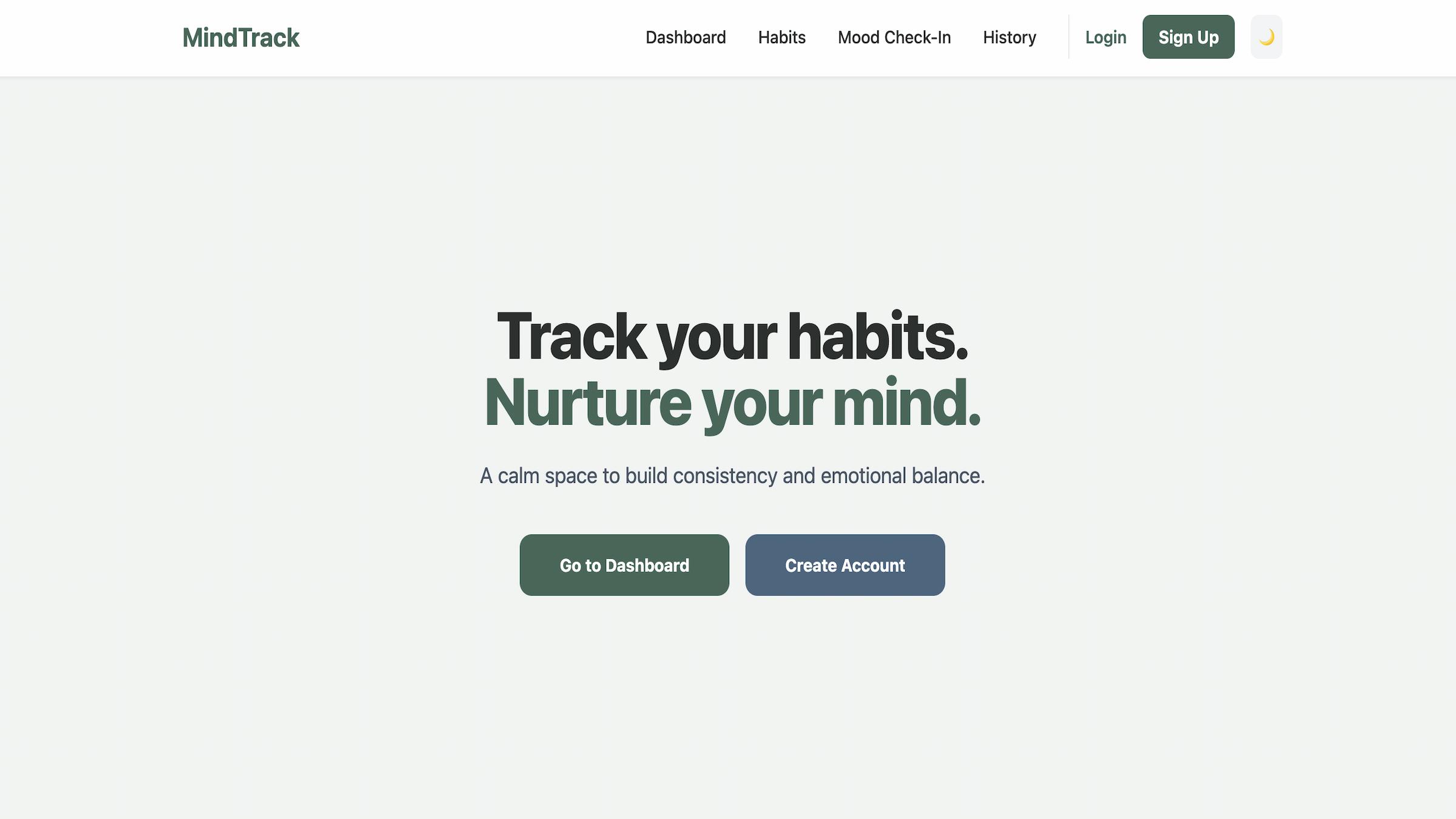
A “Calm-Tech” Habit & Mood Awareness App
MindTrack is a web-based wellness application designed to support the mental health of students and young professionals. Built using the MEN stack (MongoDB, Express, and Node.js), the project adapts a foundational to-do structure into a sophisticated tool for habit-building and emotional reflection.
The application addresses the “digital noise” and burnout often experienced by university students. By providing a non-clinical, judgment-free environment, MindTrack emphasizes consistency over diagnosis. It demonstrates a seamless integration of backend logic and user-centered design, helping users recognize emotional patterns and maintain balance in high-stress environments.
Check out the project online.
Ideation
When I embarked on this project, my primary goal was to bridge the gap between social science theory and technical execution. I wanted to move away from the “clinical” feel of typical health apps toward a “calm-tech” philosophy of tools that support the user without demanding constant attention
The project began with an in-depth analysis of user personas, specifically focusing on “Aslam,” a student balancing academics and work. I analyzed existing workflows in habit trackers to define an MVP that prioritized simplicity. During this phase, I mapped out the sitemap, established the data schema in MongoDB, and finalized a Sage-Dark color palette designed to reduce digital anxiety and enhance focus.
Project Features & MVP
The goal for the Minimum Viable Product (MVP) was to create a reliable system that handles daily entries without being overwhelming. I focused on three core features that provide the most value to the user:
- Secure Authentication: I built a login system so users can create private accounts. This ensures that their personal mood logs and habit data are only visible to them.
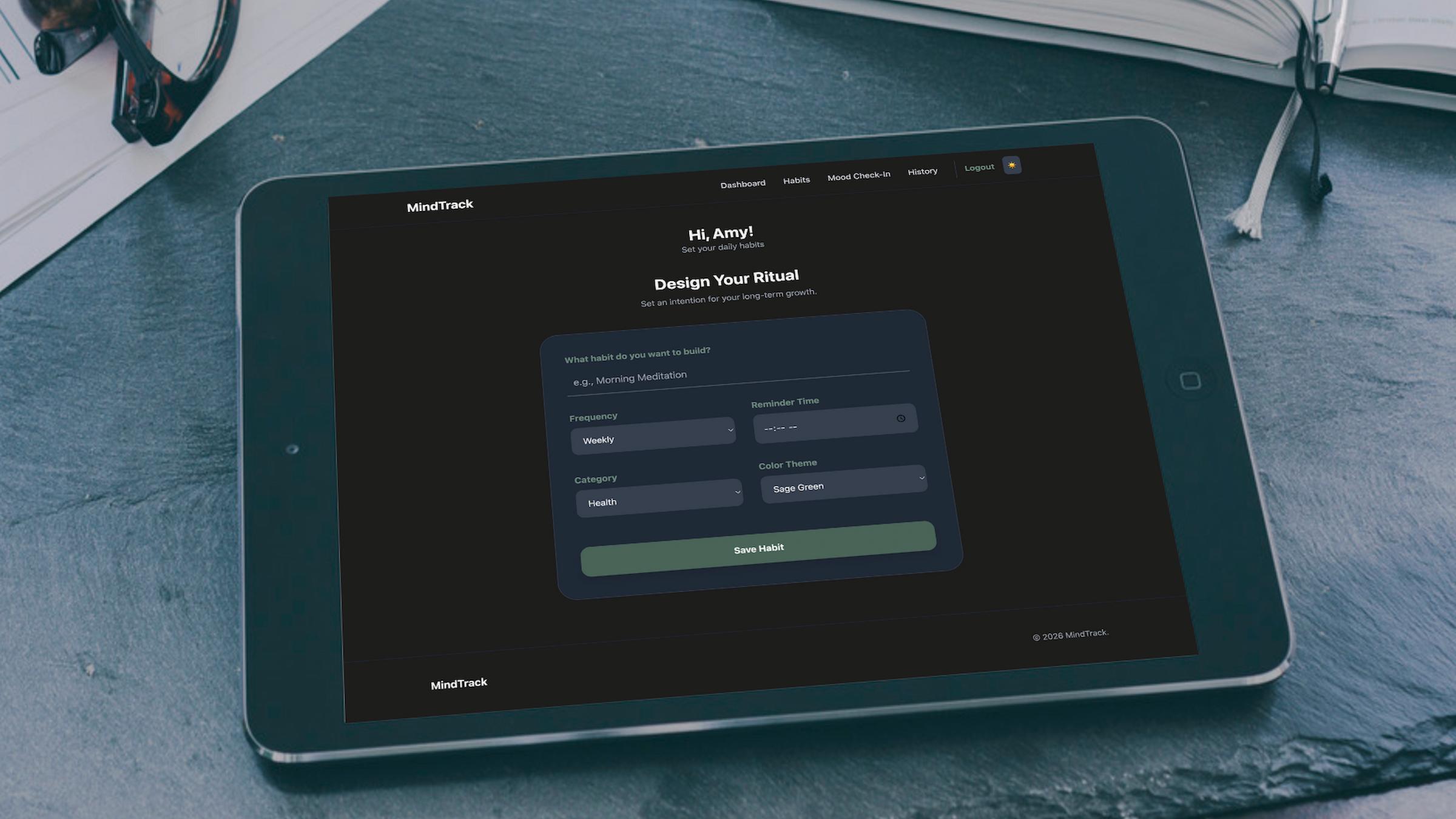
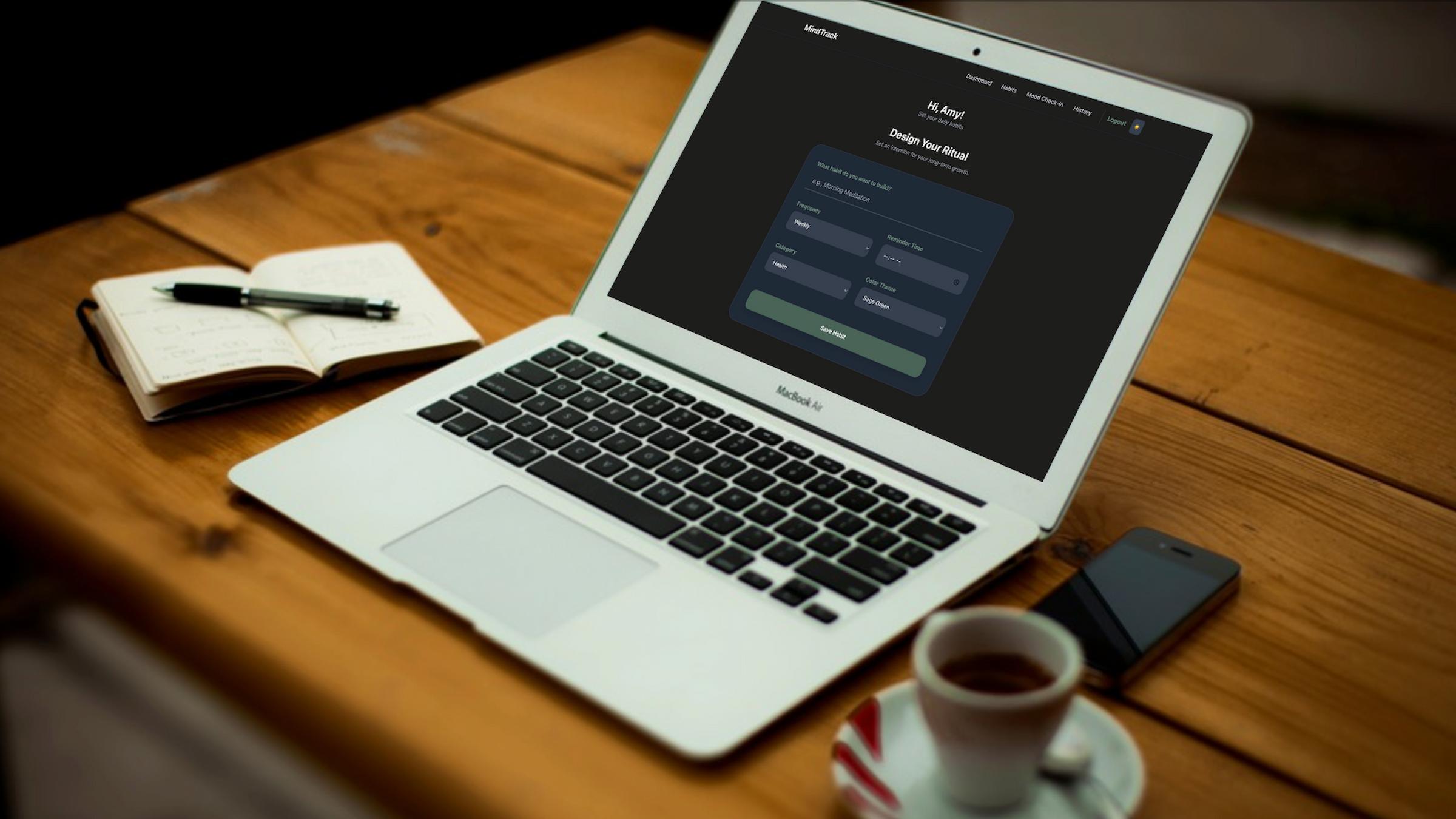
- Habit Management: Users can add specific “rituals” they want to build, mark them as done each day, or delete them if their goals change.
- Mood Check-ins: Instead of complex journaling, users can quickly log how they feel. This data is saved to a history log, allowing users to look back at their emotional journey over the week.
Production
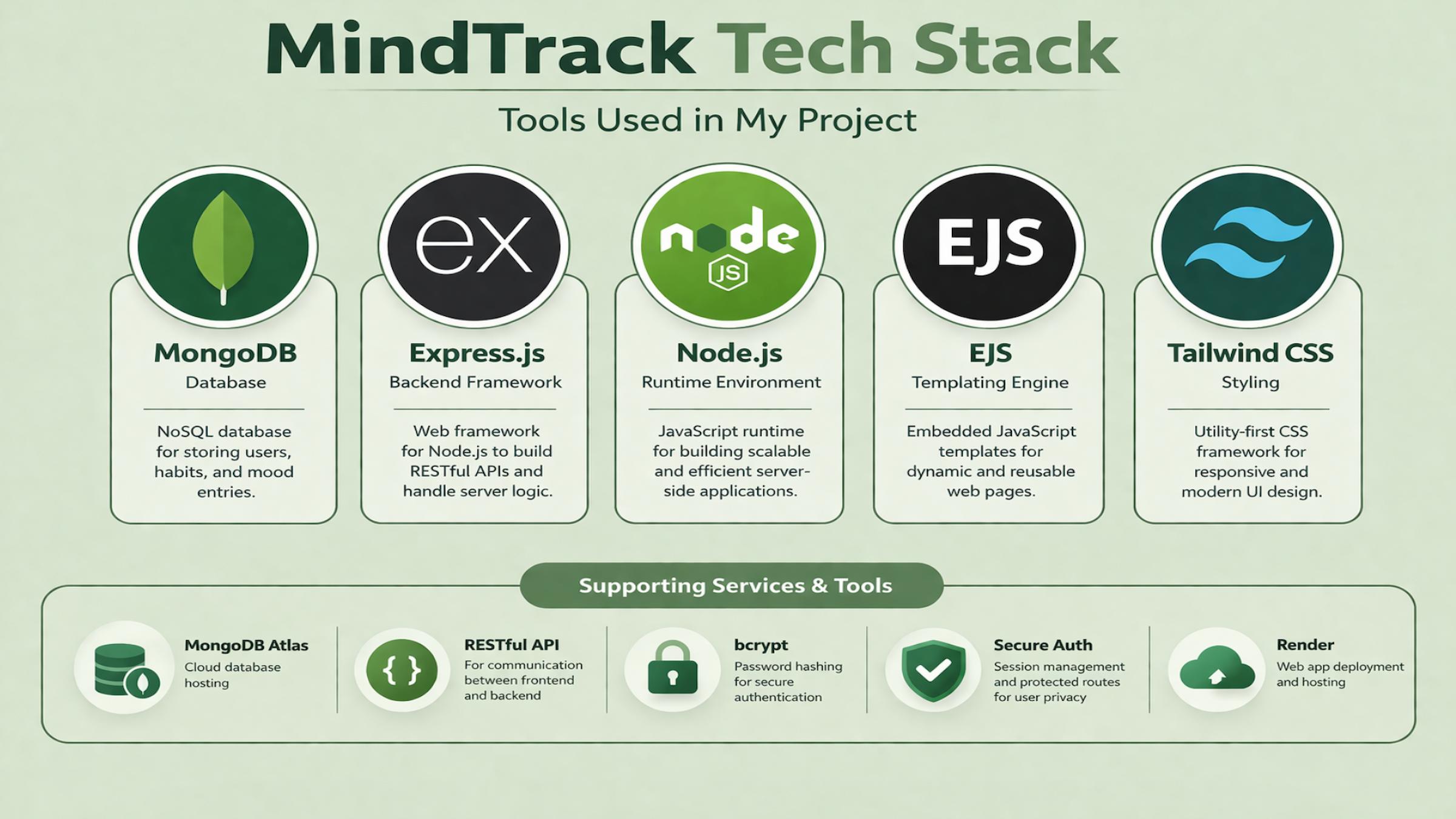
The development process involved a deep dive into the MVC (Model-View-Controller) architecture to handle complex user data persistence. Using Express.js as the core framework, I built RESTful routes to manage user authentication, daily habits, and mood entries.
Backend and Security
For security, I implemented bcrypt for password hashing and managed user sessions to ensure that personal logs remain strictly private. The database was constructed using MongoDB Atlas, where I designed a document-based schema to link habits and moods directly to unique User IDs, allowing for secure and fast retrieval of historical data.
Frontend and UX
On the frontend, I utilized EJS (Embedded JavaScript) for dynamic page rendering and Tailwind CSS for a responsive, mobile-first interface. A key technical focus was the logic for the Habit Streak counter, which required real-time calculation of daily completion records to provide positive reinforcement. To maintain the “calm” aesthetic, I avoided heavy animations, opting instead for a minimalist UI that encourages ease of use.
Iteration and Testing
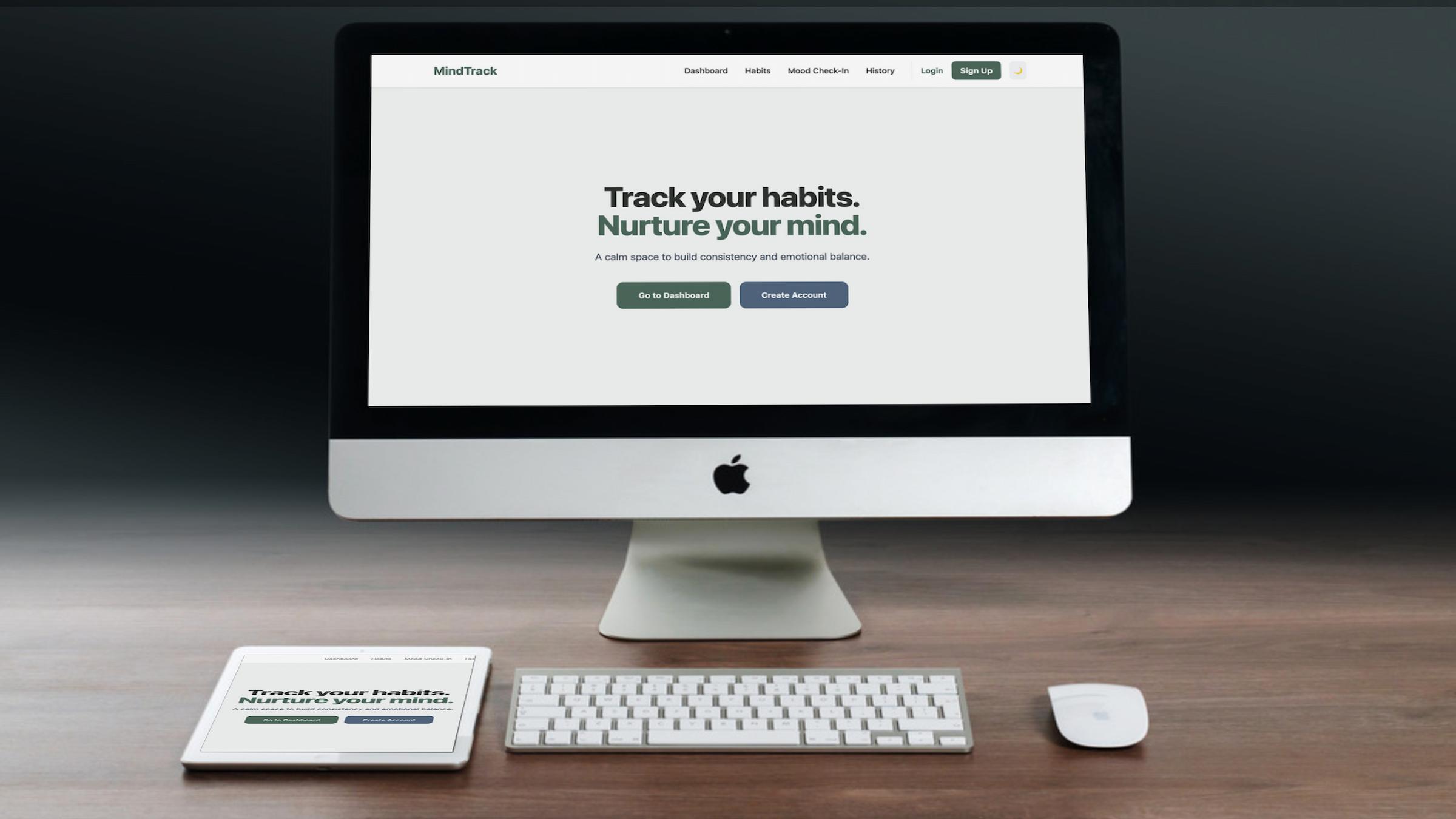
The development process involved several iterations of bug fixing and implementing feedback regarding UI polish. A significant learning curve occurred during the deployment phase on Render. I navigated several technical hurdles, including resolving “502 Bad Gateway” errors and securely configuring environment variables for the MongoDB connection strings. I performed rigorous manual testing across multiple browsers to ensure a seamless experience for users transitioning between desktop workstations and mobile devices.
Reflection
For me, MindTrack is a reflection of my growth as a developer who values purpose-driven design. It tested my persistence in solving complex deployment issues and my ability to adapt a standard tutorial codebase into a unique, social-good product. This project represents my readiness to enter the professional world as a reliable developer who can bridge the gap between user needs and technical solutions.